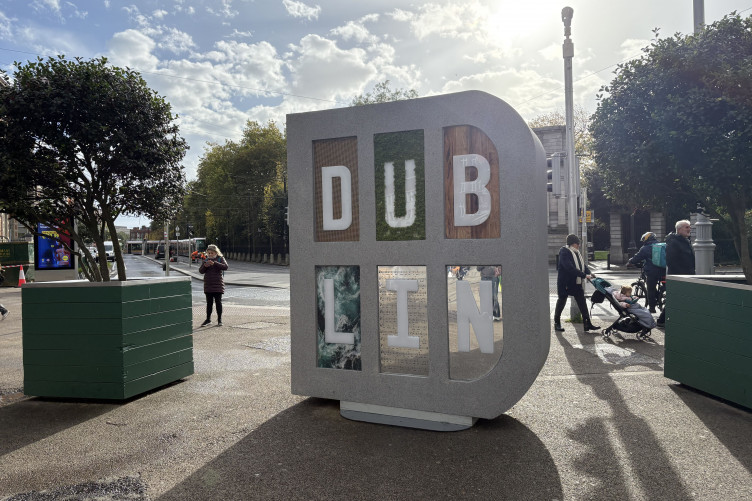
Doublin' Down on the Dublin D
The Dublin D is a monument to our desperate desire to build monuments to things
It’s not much, but then again, it doesn’t have to be to impress tourists.



Courts
Man drove stolen car wrong-way down motorway before 30ft drop into family's garden, court hears


Peace Talks
Putin agrees to resume talks on Ukraine war with Kyiv and US after talks with Trump envoy

Column
Smoke and Mirrors
Lise Hand: Anonymous digs at party colleagues are sly, but dirty tricks are nothing new in politics



Exclusive
early stages
Irish soldiers could be sent on a large-scale peacekeeping mission to the Balkans

sally rooney
‘A writer, not a terrorist’: Normal People director and stars join open letter backing Sally Rooney


Dublin Children's Court
Fifth youth appears in court charged in connection with alleged rape of teenage girl last year


storm prep
Severe weather group meets as RSA warns drivers to avoid flooded roads during Storm Austen



Digital Services Act
European Commission investigating if Booking.com is doing enough to crack down on scams
brian stack
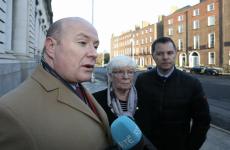
Taoiseach says family of murdered prison officer was ‘badly failed’ by garda investigation

FactCheck
debunked
Viral images of a rioter in a Pink Panther costume at the French protests were AI-generated

Not Funny
'It isn't funny': Comedian Vittorio Angelone apologises for joking about woman being raped

your stories
We want to hear what men think about James McClean's comments on therapy and 'weakness'



Opinion
financial analyst
Why cash is still king: The Revolut outage showed that going fully cashless can be tricky